- All
- Product Name
- Product Keyword
- Product Model
- Product Summary
- Product Description
- Multi Field Search

Views: 0 Author: Site Editor Publish Time: 2026-06-19 Origin: Site


Tool aisles today are completely flooded. Bright colors, high-tech materials, and ergonomic gimmicks catch the untrained eye instantly. Yet working carpenters rely on a surprisingly narrow set of proven tools. Choosing the wrong striking tool wastes your money immediately. Repetitive striking using improper weight causes massive joint fatigue. Poor shock absorption destroys your arm over time. You risk damaging expensive building materials constantly. Worse, you might develop severe long-term injuries like lateral epicondylitis, commonly known as tennis elbow. We move far beyond flashy marketing claims in this comprehensive guide. You will learn the exact objective criteria professionals use daily. We break down how to balance kinetic physics and material durability. You will understand specific task requirements clearly. By the end, you will know exactly how to select the perfect hammer for your daily grind.
The Industry Standard: The standard 16oz to 20oz steel claw hammer remains the most universally utilized tool for general carpentry.
Task-Specific Divergence: Heavy framing requires longer handles and milled faces (22oz+ steel or 14–16oz titanium), while finish carpentry demands lighter weights (12–16oz) and smooth faces.
The Titanium vs. Steel Reality: Titanium offers significant vibration reduction and equal driving force at a lighter weight, but the high upfront cost is generally only justified for full-time professionals.
Ergonomics Over Aesthetics: Handle material (wood, fiberglass, or solid steel) dictates shock absorption and should be chosen based on daily usage volume, not just durability.
You see them on every job site. The 16-ounce to 20-ounce steel claw hammer is completely ubiquitous. It forms the undeniable foundation of almost every professional toolbelt. We define this weight class as the ultimate baseline for a simple reason. It works brilliantly for almost everything.
General carpentry demands extreme versatility. You cannot carry five different striking tools simultaneously. This specific weight class provides enough kinetic energy to drive standard fasteners efficiently. It sinks a 16-penny nail without requiring exhausting effort. Yet, it remains light enough to prevent immediate user fatigue. Prolonged overhead use demands this delicate balance. A heavier head exhausts your shoulder rapidly. A lighter head requires too many frustrating swings. This baseline solution sits right in the ergonomic sweet spot.
Modern carpenters also make a crucial distinction regarding the back end. We must discuss the rip claw versus the curved claw. Most professionals heavily prefer the straight rip claw today. It excels at aggressive prying and rough demolition. You can wedge it easily between tight framing studs. It splits lumber apart fast. The traditional curved claw serves a different, older purpose. It pulls bent nails beautifully. However, it lacks serious prying leverage. You gain far more daily utility from a straight rip profile.
Professionals rarely use one tool for every single job. We align our equipment to the specific trade requirements. Rough framing and precise finishing sit on opposite ends of the spectrum. They demand vastly different approaches.
Heavy rough carpentry demands absolute aggression. You need maximum driving force behind every single swing. Precise finish quality simply does not matter here. A dented two-by-four gets covered by drywall anyway. We judge success strictly by the driving force per swing. Features include:
Longer Handles: They usually measure 16 to 18 inches to create massive swing leverage.
Milled Faces: We often call these waffle faces. They grip the nail head firmly to prevent dangerous slipping.
Heavy Steel Heads: Traditional framers swing 20 to 28-ounce solid steel heads.
Lightweight Titanium: Modern framers often upgrade to highly efficient 14 to 16-ounce titanium heads.
Precision woodworking requires a delicate, calculated touch. You must achieve zero marring on the final work surface. Denting expensive oak baseboards costs you significant money. A smooth striking face remains entirely non-negotiable. It protects expensive trim, custom cabinetry, and delicate interior details. Features include:
Shorter Handles: They offer precise, close-quarters control over every single strike.
Smooth Faces: They glide off wood surfaces without leaving devastating waffle marks.
Lighter Weights: They typically range from 12 to 16 ounces. Setting small finish nails requires accuracy over raw power.
We must break down the kinetic energy formula to understand premium materials. Physics dictates how effectively we strike. The formula is E = 1/2mv². Energy equals half the mass times velocity squared. Notice the squared velocity variable closely. Speed generates exponentially more power than mass alone. You can swing a lighter titanium head much faster. This higher velocity drives a framing nail incredibly effectively. It equals the raw force of a much heavier steel tool swung slowly.
Titanium also offers incredibly superior shock-absorbing properties. It dampens harsh impact energy naturally. Steel rings like a tuning fork upon hard impact. This violent vibration travels directly up your arm. You risk severe joint damage over long decades of framing. We frame titanium not as a shiny luxury item. It represents a vital long-term occupational health investment. It actively mitigates risk.
We must provide a transparent cost-to-value assessment here. A solid steel Estwing costs under $40 easily. It lasts a complete lifetime without failing. A premium Stiletto or Martinez titanium tool costs over $200. Beginners and weekend DIYers should absolutely stick to proven steel. However, 40-hour-a-week production framers face a different reality. They will see a massive physical return on investment from titanium. It saves their elbows daily.
Material | Average Weight | Shock Absorption | Initial Cost | Ideal User Profile |
|---|---|---|---|---|
Solid Steel | 20oz - 28oz | Poor (High Vibration) | $20 - $50 | Beginners, DIYers, Occasional Framers |
Titanium | 14oz - 16oz | Excellent (Dampens Vibration) | $200+ | Full-time Framers, Carpenters with Joint Pain |
Handle material heavily dictates your daily comfort. It serves as your primary anatomical shock absorber. We must carefully evaluate three main handle constructions before buying. Choose based on your usage volume, not just apparent durability.
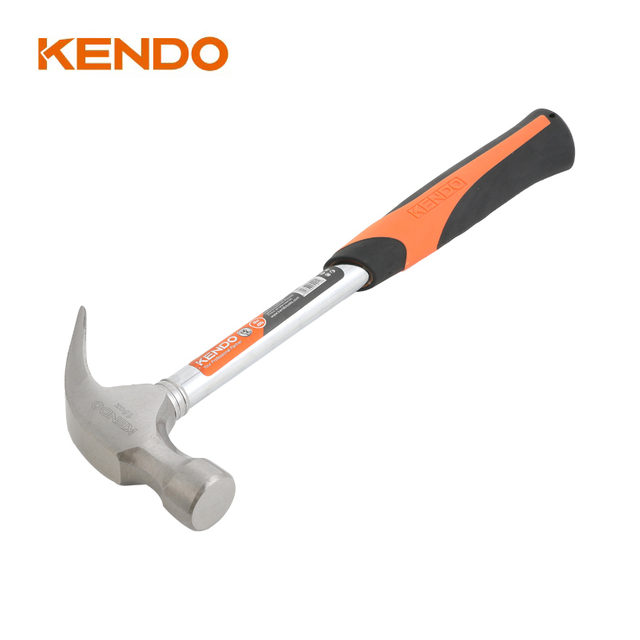
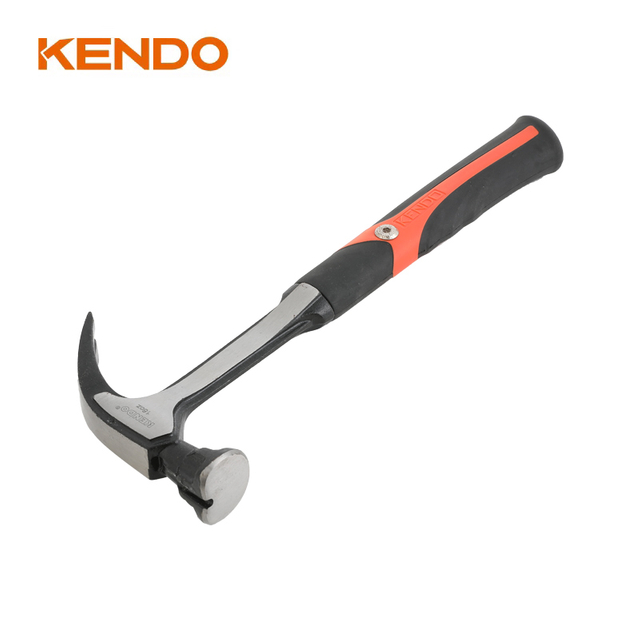
Solid Steel Handles: These are virtually indestructible on rough sites. They dominate heavy demolition environments. You can pry aggressively without ever snapping the neck. However, they transfer massive vibration directly. Your arm absorbs every harsh strike. They carry the absolute highest risk of generating joint fatigue.
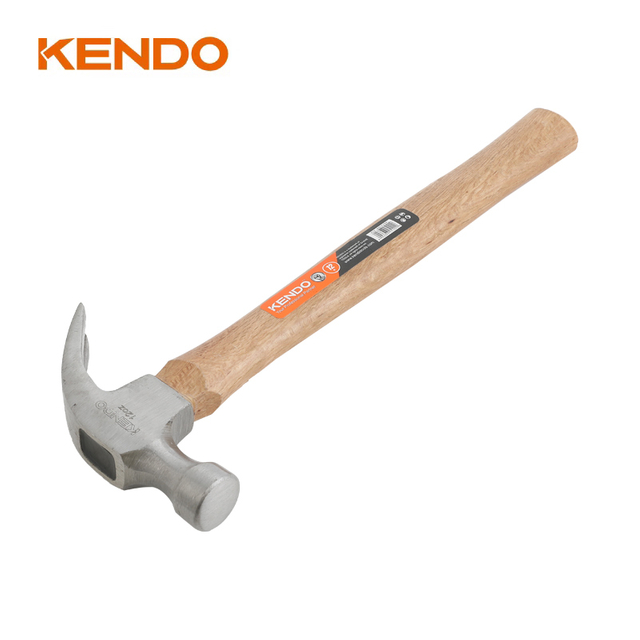
Wood (Hickory) Handles: Hickory remains the undisputed gold standard for wood handles. It provides beautiful natural shock absorption. The cellular wood structure dissipates harsh energy beautifully. They offer a familiar, deeply traditional feel. You can replace them easily when they inevitably break. Unfortunately, they remain highly susceptible to damage. Environmental wear and repeated overstrikes snap them quickly.
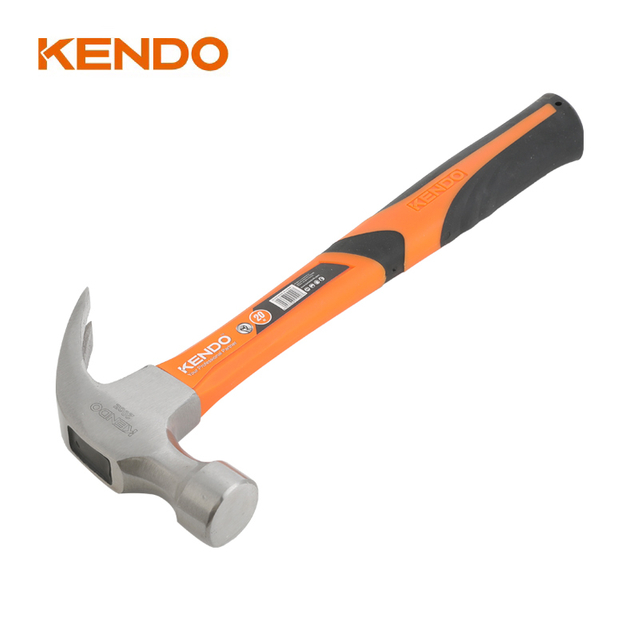
Fiberglass Handles: Fiberglass offers a highly reliable middle ground. They absorb heavy shock much better than solid steel. They boast exceptional durability overall. Electricians love their inherently non-conductive properties. Yet, intense UV exposure degrades them over several years. They also generally weigh slightly more than premium wood options.
Before you purchase your next hammer, assess your daily volume carefully. Swing frequency heavily dictates your ergonomic needs. Maybe striking accounts for less than 20% of your actual workday. Trim carpenters often use pneumatic nail guns primarily. DIYers usually work quite intermittently. In these specific cases, prioritize a highly versatile 16-ounce steel tool. You simply need a comfortable grip.
Always factor in your working environment next. Rough concrete forming destroys wooden handles rapidly. Intense demolition work requires serious, aggressive prying. Prioritize solid steel construction in these brutal environments. You will prevent snapped handles and incredibly frustrating lost time.
Finally, always utilize the "try before you buy" rule. Grip circumference matters immensely to your hand health. A thick grip causes severe hand cramps eventually. Balance points vary wildly between different brands. The tool should feel like a perfectly natural extension of your arm. It should never feel like an awkward, top-heavy pendulum.
The "best" striking tool remains entirely subjective. It depends heavily on your specific trade requirements. Your budget and unique physiological needs dictate the final choice. Heavy framing requires long handles and lightweight titanium for joint health. Delicate finish carpentry demands smooth faces and shorter handles for absolute precision.
For a safe, verifiable starting point, grab a 16-ounce to 20-ounce steel rip-claw. Ensure it features a proven vibration-dampening grip. This baseline setup perfectly serves 90% of general carpentry needs. You should only pursue expensive upgrades based on specific friction points. Upgrade if you experience chronic joint pain. Upgrade if you transition fully into specialized production framing. Choose wisely, protect your joints, and swing with confidence.
A: A milled face features a textured, waffle-like grid. It aggressively grips the nail head to prevent slipping during high-impact framing. A smooth face lacks this texture. It protects delicate work surfaces from ugly marring during precision finish carpentry.
A: Titanium allows for incredibly high swing velocity. Because kinetic energy relies exponentially on speed, a lighter titanium head drives nails just as effectively as heavy steel. This drastically reduces overall elbow strain during long shifts.
A: It depends on your baseline user strength and daily task frequency. For most, 20 ounces represents the absolute upper limit for general use. Anything heavier quickly causes shoulder fatigue during prolonged overhead work or trim installation.
A: You should replace it immediately upon failing visual safety inspections. Check it weekly for dangerous splintering. Look for any looseness at the eye. Severe overstrike damage deeply compromises the wood's structural integrity, making it unsafe to swing.