- All
- Product Name
- Product Keyword
- Product Model
- Product Summary
- Product Description
- Multi Field Search

Views: 0 Author: Site Editor Publish Time: 2026-03-24 Origin: Site


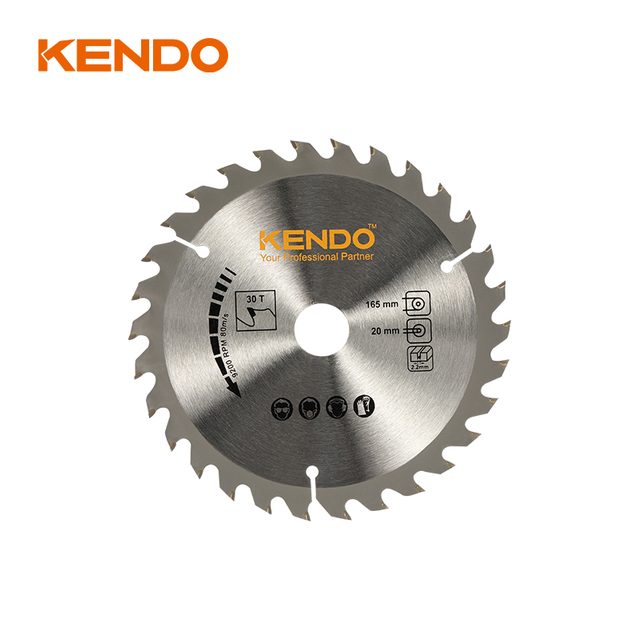
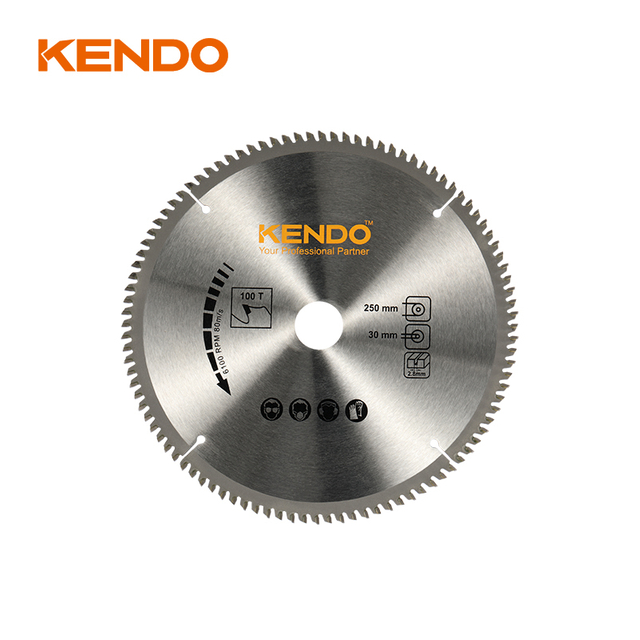
A TCT saw blade is a circular saw blade fitted with tungsten carbide-tipped teeth. This design gives the blade higher wear resistance, longer cutting life, and more stable cutting performance than standard steel blades in many common applications. TCT saw blades are widely used for solid wood, plywood, MDF, chipboard, laminates, plastics, and selected non-ferrous metals.
Blade selection is not determined by diameter alone. Tooth count, tooth geometry, kerf, arbor size, blade body stability, machine compatibility, and the material being cut all influence cutting speed, finish quality, heat generation, and service life. A properly matched TCT blade improves cut quality, reduces unnecessary wear, and supports more efficient operation.
This guide explains what TCT saw blades are, how they work, where they are used, how to choose the right one, and what to check for safe and reliable performance.
TCT stands for Tungsten Carbide Tipped.
TCT saw blades are designed for longer life and better wear resistance than standard steel blades.
Lower tooth counts usually support faster cutting, while higher tooth counts usually produce smoother finishes.
Tooth count matters, but it should always be considered together with material type, tooth geometry, and machine compatibility.
Different materials often require different blade designs for the best cutting results.
Blade diameter, arbor size, kerf, RPM rating, and intended material should all be checked before use.
Proper installation, inspection, and maintenance help protect cut quality and blade life.
A TCT saw blade is made from a steel blade body with tungsten carbide tips brazed onto the teeth. The steel plate provides strength and stability, while the carbide tips form the cutting edge.
Carbide is much harder and more wear-resistant than standard steel. This allows the blade to stay sharp longer and maintain more consistent cutting performance across repeated use.
| Part | Function |
|---|---|
| Steel blade body | Supports the blade and provides structural stability |
| Carbide tips | Form the cutting edge and resist wear |
| Teeth | Control cutting speed, finish quality, and cutting behavior |
| Gullets | Remove chips and help reduce heat buildup |
| Arbor hole | Connects the blade to the machine spindle |
| Expansion slots | Help reduce vibration, noise, and thermal stress |
A TCT saw blade cuts by rotating at high speed and allowing each carbide-tipped tooth to remove a small amount of material as it passes through the workpiece. The cutting result depends on how the teeth are shaped, spaced, and aligned with the material.
Several factors affect performance:
tooth count
tooth geometry
kerf width
blade body rigidity
machine speed
feed rate
material density and surface type
In general, fewer teeth remove material more aggressively and support faster cutting, while more teeth create a finer cutting action and usually produce a cleaner edge. Tooth count has a direct effect on cutting speed and finish quality, which is explained in more detail in How to Choose the Right TCT Saw Blade Tooth Count.
TCT saw blades are widely used because they combine durability, clean cutting performance, and broad application flexibility.
Carbide-tipped teeth remain sharp longer than standard steel cutting edges under similar working conditions.
TCT blades are more resistant to abrasion when cutting wood-based panels, composites, and other demanding materials.
A properly selected TCT blade maintains more stable results over repeated use, especially in production environments.
With the correct tooth design and tooth count, TCT blades can reduce splintering, tear-out, and rough edge formation.
TCT saw blades are available for many different cutting tasks, from fast wood cutting to fine panel processing and non-ferrous metal cutting.
Although the upfront cost is often higher than standard steel blades, the longer service life and improved cutting consistency can make them more cost-effective over time.
The main difference lies in the cutting edge. Standard steel blades are generally less expensive, but they tend to dull faster. TCT blades use carbide-tipped teeth, which are harder and more resistant to wear.
| Feature | TCT Saw Blade | Standard Steel Blade |
|---|---|---|
| Cutting edge | Tungsten carbide tipped | Steel |
| Wear resistance | High | Lower |
| Service life | Longer | Shorter |
| Heat resistance | Better | Lower |
| Cut consistency | More stable over time | Drops faster as the blade wears |
| Upfront cost | Higher | Lower |
| Long-term value | Often better | Often lower in repeated use |
A more direct material and performance comparison can be found in TCT Saw Blades vs HSS Blades
TCT saw blades are used across a wide range of materials. The best result depends on matching the blade specification to the material and the cutting task.
| Material | Typical Cutting Goal | General Blade Direction |
|---|---|---|
| Softwood | Fast cutting | Lower to medium tooth count |
| Hardwood | Balanced speed and finish | Medium tooth count |
| Plywood | Cleaner edges | Medium to high tooth count |
| MDF | Smooth finish | High tooth count |
| Laminated board | Reduced chipping | High tooth count and suitable tooth geometry |
| Plastic | Controlled cutting | Material-matched blade |
| Aluminum | Stable fine cutting | Dedicated non-ferrous TCT blade |
Different materials place different demands on tooth design, cutting angle, and tooth count. A broader material-based overview is covered in Best Applications for TCT Saw Blades.
Choosing the right TCT saw blade requires checking several specifications together rather than relying on one single feature.
The blade diameter must match the saw’s design and maximum blade capacity. Common sizes include:
165 mm
180 mm
184 mm
210 mm
235 mm
250 mm
300 mm and above
A larger diameter can provide greater cutting depth, but it should only be used if the machine is designed for it.
The arbor hole must match the saw spindle exactly. An incorrect arbor size can lead to poor mounting, vibration, and unsafe operation.
Tooth count affects cutting speed, feed pressure, chip removal, and surface finish.
| Tooth Count Range | Typical Use | Cut Character |
|---|---|---|
| 18T–24T | Fast rough cutting | Faster, rougher finish |
| 30T–40T | General-purpose cutting | Balanced speed and finish |
| 48T–60T | Fine cutting and sheet materials | Smoother finish |
| 60T+ | Finish-sensitive work | Very clean, slower cutting |
Tooth count is one of the most important selection factors because it directly affects the balance between productivity and finish quality. A closer look at this can be found in How to Choose the Right TCT Saw Blade Tooth Count.
Tooth geometry matters as much as tooth count.
| Tooth Geometry | Typical Use |
|---|---|
| ATB (Alternate Top Bevel) | General wood cutting, crosscutting |
| FTG (Flat Top Grind) | Fast ripping |
| TCG (Triple Chip Grind) | Laminates, plastics, non-ferrous metals |
Kerf is the width of the cut produced by the blade.
Thin kerf blades reduce cutting resistance and material waste
Full kerf blades usually provide greater stability under demanding cutting conditions
Always choose the blade according to the actual material being cut. A wood-cutting blade should not automatically be treated as suitable for aluminum, laminate, or plastic unless the blade specification clearly supports that use.
Always check:
maximum blade diameter
arbor size
maximum RPM
saw type
machine power
intended cutting direction
Before choosing a blade, confirm the following:
blade diameter matches the machine
arbor size matches the spindle
blade RPM rating meets or exceeds machine speed
tooth count fits the required cut quality
tooth geometry matches the material
kerf suits the machine power and application
blade is intended for the actual material being cut
Tooth count is often the first specification noticed during blade selection, but its real value appears only when matched with the material and the type of cut.
| Cutting Task | Suggested Tooth Count | Notes |
|---|---|---|
| Rough framing cuts | 24T | Fast feed, rougher finish |
| General wood cutting | 30T–40T | Good balance |
| Plywood cutting | 40T–60T | Cleaner edges |
| MDF cutting | 48T–60T | Improved finish |
| Fine trim work | 60T+ | Smoother finish, slower cutting |
| Non-ferrous metal cutting | High tooth count | Use a dedicated blade design |
fewer teeth usually mean faster feed and rougher edges
more teeth usually mean smoother cuts and slower feed
This is a general guide rather than a fixed rule. Tooth geometry, hook angle, blade stiffness, and material surface condition also influence the final result.
This can lead to chipping, splintering, or rough edges on plywood, laminates, and MDF.
This can reduce feed efficiency and increase heat during fast cutting operations.
A blade with the wrong tooth shape may perform poorly even if the tooth count appears correct.
A cheaper blade may dull faster, cut less cleanly, and require more frequent replacement.
Even a good blade becomes the wrong blade when diameter, arbor size, or RPM rating does not match the machine.
A general-purpose blade can handle many common jobs, but dedicated blades usually produce better results in material-specific applications.
Safe operation begins before the machine starts.
inspect the blade for cracks, chipped teeth, or visible damage
check that the blade is clean and correctly mounted
confirm diameter, arbor size, and RPM rating
make sure the blade is suitable for the material
verify that the saw guard is working properly
secure the workpiece properly
maintain steady feed pressure
do not force the blade through the material
keep hands clear of the cutting path
stop immediately if vibration or unusual noise appears
allow the blade to stop fully before handling
clean the blade if resin or dust has built up
store it in a dry and protected location
Installation, inspection, and operating practice all affect safe blade use. These points are covered in more detail in How to Use TCT Saw Blades Safely.
Regular maintenance helps preserve blade performance and extend service life.
| Maintenance Task | Why It Matters |
|---|---|
| Regular cleaning | Removes resin, dust, and buildup that reduce cutting efficiency |
| Visual inspection | Helps identify chipped teeth, warping, or cracks |
| Correct storage | Protects carbide tips from impact damage |
| Proper handling | Reduces the risk of tooth damage during installation and transport |
| Timely sharpening | Restores cutting quality before performance drops too far |
burn marks on the workpiece
increased feed resistance
rougher cut edges
more chipping or tear-out
unusual vibration
louder cutting noise
visible tooth wear or damage
TCT saw blades are widely used because they combine durability, cutting efficiency, and broad application flexibility. Their carbide-tipped teeth provide longer service life, stronger wear resistance, and more consistent cutting performance than standard steel blades in many common cutting tasks.
The right blade should always be selected according to machine compatibility, blade diameter, arbor size, tooth count, tooth geometry, kerf, and material type. Lower tooth counts generally support faster and rougher cuts, while higher tooth counts generally support cleaner and smoother finishes. Material-specific blade design remains important, especially when cutting plywood, MDF, laminates, plastics, and non-ferrous metals.
A properly selected and well-maintained TCT blade supports cleaner cuts, more stable operation, and more reliable performance over time.
TCT stands for Tungsten Carbide Tipped. It refers to a blade with carbide tips attached to the teeth to improve wear resistance and cutting life.
In many applications, yes. TCT saw blades generally last longer, resist wear better, and maintain more consistent cutting performance. The correct choice still depends on the material and machine setup.
TCT saw blades are commonly used for:
softwood
hardwood
plywood
MDF
chipboard
laminated panels
plastics
selected non-ferrous metals
The blade specification should always be checked before use.
No. More teeth usually improve finish quality, but they can also reduce feed speed and increase cutting resistance. The best tooth count depends on the material and the type of cut.
There is no single answer for every task.
24T is often used for fast rough cuts
30T–40T is often used for general-purpose wood cutting
48T–60T is often used for smoother cuts and sheet materials
Some TCT saw blades are designed for aluminum and other non-ferrous metals, but not every wood-cutting blade is suitable for that use. A dedicated blade specification should be used where required.
Check the following:
blade diameter
arbor size
maximum RPM rating
saw type
manufacturer machine limits
All of these must match the machine requirements.
Blade life depends on:
the material being cut
cutting frequency
machine setup
feed pressure
blade quality
maintenance routine
A properly selected and maintained TCT blade usually lasts much longer than a standard steel blade.
The blade should be inspected or serviced if there are:
burn marks
slower cutting
rougher cut edges
excessive noise
vibration
chipped or worn teeth
A general-purpose blade can cover many routine tasks, but a dedicated blade usually produces better results for specific materials and finish requirements.