- All
- Product Name
- Product Keyword
- Product Model
- Product Summary
- Product Description
- Multi Field Search

Views: 0 Author: Site Editor Publish Time: 2026-03-31 Origin: Site


TCT saw blades and HSS blades are both widely used in cutting applications, but they are built for different performance priorities. TCT blades use tungsten carbide-tipped teeth, while HSS blades are made from high-speed steel. This difference in cutting edge material has a direct impact on wear resistance, cutting life, heat tolerance, edge retention, application range, and long-term cost.
In many common cutting tasks, TCT blades are chosen for longer service life and more consistent cutting performance, especially when working with wood-based panels, laminates, plastics, and non-ferrous metals. HSS blades are often used where lower initial cost, resharpenability, or specific cutting conditions are more important.
This guide explains the difference between TCT saw blades and HSS blades, how they perform in different applications, and how to choose the right blade type for the material, machine, and cutting requirement.
TCT stands for Tungsten Carbide Tipped, while HSS stands for High-Speed Steel.
TCT blades usually offer better wear resistance and longer service life.
HSS blades usually have a lower upfront cost.
TCT blades generally stay sharp longer in demanding cutting applications.
HSS blades can still be effective in lighter-duty or specific cutting conditions.
The better choice depends on material type, production volume, finish requirement, and cost priorities.
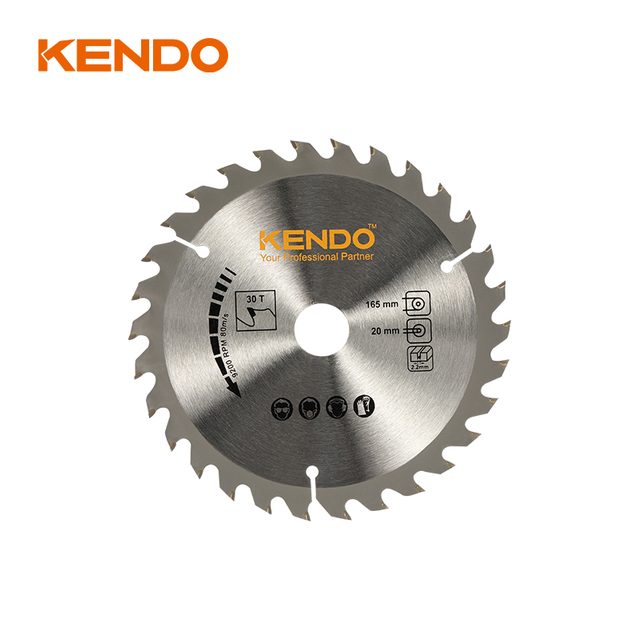
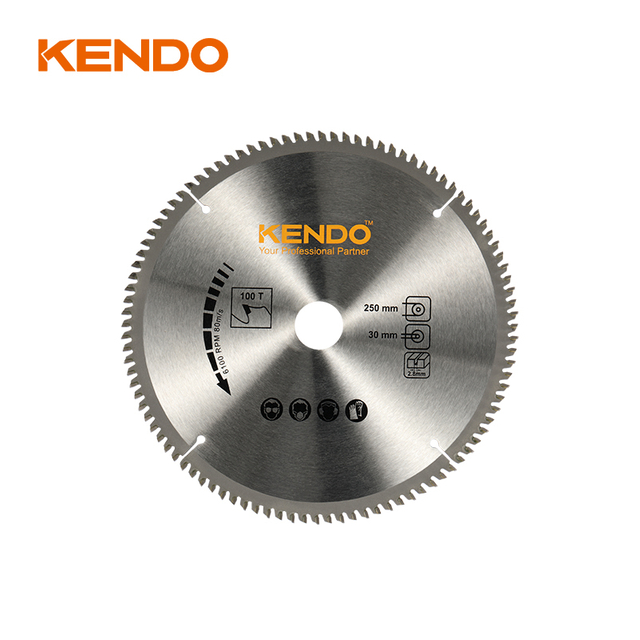
A TCT saw blade is a blade with tungsten carbide tips brazed onto the teeth of a steel blade body. The steel body provides strength and structural support, while the carbide tips form the cutting edge.
Because tungsten carbide is much harder than standard steel, TCT blades are designed to resist wear more effectively and maintain cutting performance over a longer period.
carbide-tipped cutting edges
strong wear resistance
longer cutting life
stable cutting performance
broad material range
common use in wood, panels, laminates, plastics, and selected non-ferrous metals
An HSS blade is a blade made from high-speed steel, a type of tool steel designed to retain hardness at elevated temperatures better than ordinary carbon steel. HSS blades are widely used in many cutting tools and are valued for their toughness, machinability, and lower cost compared with carbide-tipped alternatives.
Depending on the application, HSS blades may be used in lighter-duty cutting, workshop operations, and situations where frequent sharpening is acceptable.
cutting edge formed from high-speed steel
lower initial cost
good toughness
easier and more economical to regrind in some applications
suitable for selected metalworking and lighter-duty cutting tasks
shorter wear life than TCT in many demanding applications
The main difference is the cutting edge material, and that difference affects nearly every aspect of blade performance.
| Feature | TCT Saw Blade | HSS Blade |
|---|---|---|
| Cutting edge material | Tungsten carbide tipped | High-speed steel |
| Hardness | Higher | Lower |
| Wear resistance | Higher | Lower |
| Edge retention | Longer-lasting | Dulls faster in many demanding cuts |
| Toughness | Good, but carbide is more brittle | Generally tougher |
| Heat resistance in use | Strong overall cutting stability | Good, but edge wear increases faster in many heavy applications |
| Upfront cost | Higher | Lower |
| Long-term value | Often better in repeated use | Can be lower in high-volume cutting |
| Common use | Wood, panels, laminates, plastics, non-ferrous metals | Lighter-duty cutting, selected workshop and metalworking tasks |
The practical difference becomes clearer when wear, heat, finish quality, and cutting consistency are compared in day-to-day use.
TCT blades generally resist abrasion much better because carbide is harder than high-speed steel. This becomes especially important when cutting abrasive materials such as MDF, particle board, laminates, and composite sheet materials.
TCT blades usually stay sharp longer
HSS blades usually lose edge sharpness sooner under similar abrasive conditions
In repeated use, TCT blades usually provide a longer service life before sharpening or replacement is needed.
TCT is often preferred for repeated production work
HSS may be acceptable where cutting frequency is lower or blade replacement intervals are less critical
A fresh TCT blade and a fresh HSS blade can both cut well, but the difference often appears as the blade continues to be used. TCT blades tend to maintain cut quality longer because the teeth remain sharp for a longer period.
TCT usually provides more stable finish quality across repeated cuts
HSS may show a faster decline in cut quality as edge wear increases
During cutting, heat buildup affects performance, edge wear, and cut quality. A blade that dulls more quickly usually creates more friction and can cause rougher cuts, burn marks, or reduced efficiency.
TCT blades often maintain cutting stability better under repetitive use
HSS blades may require more frequent sharpening to keep cutting performance consistent
HSS is generally tougher as a steel material, while carbide is harder but more brittle. This means TCT blades perform very well in intended cutting conditions, but improper use, impact, or poor handling can damage the carbide tips.
HSS can be more forgiving in some handling conditions
TCT requires correct application and proper handling to protect the tips
TCT blades usually last longer before sharpening or replacement is needed.
They are well suited to abrasive and engineered materials.
They tend to maintain a cleaner edge over more cutting cycles.
TCT blades are commonly used for solid wood, plywood, MDF, laminates, plastics, and non-ferrous materials.
Although they cost more upfront, their longer life often improves long-term cost efficiency.
If blade structure, applications, and material matching need a broader explanation, that is covered in The Complete Guide to TCT Saw Blades.
HSS blades are generally more affordable at the point of purchase.
They can tolerate some cutting conditions where material toughness is useful.
Depending on the blade type and use environment, HSS blades can often be reground more simply than carbide-tipped blades.
HSS blades still have practical value where cutting demands are lighter, material conditions are specific, or budget control is the main concern.
TCT blades usually cost more than HSS blades.
The cutting edges are harder, but they are also more vulnerable to chipping if misused or damaged by impact.
Not every TCT blade is suitable for every material. Tooth geometry, tooth count, RPM rating, and machine compatibility still need to be checked.
HSS usually wears faster than carbide in abrasive or high-volume cutting.
This can increase downtime and maintenance frequency.
As the blade edge dulls, cut quality can decline more quickly.
A lower purchase price does not always mean lower operating cost over time.
The correct blade depends heavily on what is being cut.
| Material | TCT Blade | HSS Blade |
|---|---|---|
| Softwood | Very suitable | Can be suitable in lighter-duty use |
| Hardwood | Very suitable | More limited in repeated heavy use |
| Plywood | Very suitable | Edge wear usually increases faster |
| MDF / particle board | Strongly preferred | Wears faster in abrasive boards |
| Laminated board | Strongly preferred with correct geometry | Often less ideal for finish-sensitive cutting |
| Plastic | Suitable with correct design | Can be suitable in selected conditions |
| Aluminum / non-ferrous | Suitable with dedicated blade design | Application-dependent |
| Heavy repetitive cutting | Usually preferred | Usually less efficient long term |
Material-specific blade choice still depends on tooth count and tooth geometry. For more detail on material range, see Best Applications for TCT Saw Blades
TCT is usually the better choice because longer edge life reduces sharpening frequency and keeps performance more consistent.
TCT is often preferred, especially in plywood, MDF, laminates, and trim-related work where edge quality matters.
HSS is often the cheaper option at purchase.
HSS may still be acceptable depending on material and cut frequency.
TCT is usually the stronger option because it resists wear better.
TCT often provides better value despite the higher initial price.
A direct price comparison can be misleading if it only considers purchase cost.
HSS blades are usually less expensive to buy
TCT blades are usually more expensive initially
TCT blades often require less frequent replacement
TCT blades often maintain cutting quality longer
HSS blades may need more frequent sharpening or replacement in demanding use
| Cost Factor | TCT Blade | HSS Blade |
|---|---|---|
| Initial purchase price | Higher | Lower |
| Sharpening frequency | Lower in many applications | Higher in many applications |
| Replacement frequency | Lower | Higher |
| Downtime risk in repeated use | Lower | Higher |
| Long-term value | Often better | Often lower in demanding workflows |
The easiest way to choose is to start with the actual cutting conditions.
the material is abrasive
long blade life matters
consistent finish quality is important
cutting volume is high
MDF, plywood, laminates, or non-ferrous materials are involved
long-term efficiency matters more than the lowest purchase price
lower initial cost is the main priority
the cutting workload is relatively light
the application does not heavily punish blade wear
frequent regrinding is acceptable
the cutting condition suits HSS performance
Even after choosing between TCT and HSS, the blade still needs to match the actual job.
Always check:
blade diameter
arbor size
maximum RPM
tooth count
tooth geometry
kerf
material type
machine compatibility
Tooth count remains one of the most important variables in blade behavior. For a dedicated guide, see How to Choose the Right TCT Saw Blade Tooth Count.
A cheaper blade may cost more over time if it wears quickly or needs frequent replacement.
Blade performance changes significantly depending on whether the material is softwood, MDF, laminate, or aluminum.
The correct tooth shape is just as important as the blade material.
Both TCT and HSS have suitable use cases, but neither should be treated as universal without checking the application.
Even the right blade type will perform poorly if the blade is not matched to the saw.
Both TCT and HSS blades require correct installation, correct speed rating, and routine inspection.
visible damage
blade mounting condition
machine compatibility
correct RPM rating
suitability for the material
blade cleanliness
guard condition
Safe installation, inspection, and cutting practice are covered in more detail in How to Use TCT Saw Blades Safely.
The main difference between TCT saw blades and HSS blades is the cutting edge material, and that difference affects durability, wear resistance, service life, finish consistency, and long-term cost. TCT blades usually provide longer cutting life, better wear resistance, and more stable performance in demanding or repetitive cutting applications. HSS blades usually offer a lower initial cost and can still be suitable in lighter-duty or application-specific use.
In many wood, panel, laminate, and abrasive material applications, TCT blades are often the stronger choice because they maintain edge quality longer and reduce the need for frequent sharpening or replacement. HSS blades can still be useful where the workload is lighter, cost sensitivity is higher, or the cutting condition specifically suits high-speed steel.
The right choice depends on material type, cutting frequency, finish requirement, and total operating cost rather than purchase price alone.
The main difference is the cutting edge material. TCT blades use tungsten carbide-tipped teeth, while HSS blades use high-speed steel.
In many demanding cutting applications, yes. TCT blades usually last longer and resist wear better. HSS blades can still be suitable in lighter-duty or cost-sensitive conditions.
In many cases, yes. TCT blades usually maintain edge sharpness longer, especially when cutting abrasive materials or handling repeated workloads.
Yes. HSS blades are usually less expensive upfront, but they may require more frequent sharpening or replacement in demanding use.
TCT blades are usually the better choice for MDF and plywood because these materials can be abrasive and often require cleaner cut quality.
Both can be used depending on the cutting demand, but TCT is often preferred for longer life and more stable repeated performance.
Yes, HSS blades can be used for wood in some applications. The suitability depends on the cutting demand, blade design, and expected service life.
TCT blades often provide better long-term value in repeated or demanding use because they usually last longer and maintain performance more consistently.
Yes. Blade material matters, but tooth count still affects cutting speed, finish quality, and chip removal.
Not always. TCT and HSS each have suitable applications, and the correct choice depends on the material, workload, and cutting requirement.