- All
- Product Name
- Product Keyword
- Product Model
- Product Summary
- Product Description
- Multi Field Search

Views: 0 Author: Site Editor Publish Time: 2026-06-05 Origin: Site


A claw hammer is the most fundamental hand tool you can own. However, choosing the wrong one leads to rapid arm fatigue, damaged materials, or broken handles. You might feel tempted to grab the first tool available on the hardware store shelf. This common mistake often results in lingering wrist pain or ruined wood finishes on delicate projects. The decision isn't about finding the universal "best" hammer on the market. Instead, it's about matching head weight, handle material, and claw geometry to your specific daily workload. A finish carpenter driving tiny brads needs entirely different specifications than a demolition crew tearing down walls. This guide breaks down the structural differences in modern tools. We will help you evaluate which specifications align perfectly with your job site realities. You will learn how to balance striking power against user fatigue effectively. You will also discover how to protect your joints from long-term injury.
Claw Shape Dictates Function: Curved claws prioritize leverage for nail removal; straight (rip) claws are built for demolition and prying.
Weight vs. Velocity: A standard 16-ounce hammer is ideal for general use, while 20+ ounce hammers are necessary for framing but increase user fatigue.
Material Trade-offs: Wood offers the best natural shock absorption, steel provides maximum durability, and fiberglass balances both.
Ergonomics Matter: Long-term use of solid steel hammers without vibration-dampening grips increases the risk of repetitive strain injuries.
Many users overlook the shape of the claw when selecting a new hand tool. The geometric design of the back of the hammer head strictly dictates its primary function. Manufacturers do not forge these shapes for aesthetic reasons. They engineer them to solve distinct physical challenges on the job site. You must establish your primary use case before looking at weight or handle materials. Let us examine the two main solution categories available today.
The curved claw is the traditional silhouette most people recognize. Engineers design this shape specifically for maximum leverage during nail extraction. The deep curve allows the user to rock the tool backward smoothly. You can pull stubborn nails with minimal collateral damage to the surrounding wood. This curved profile acts as a perfect rolling fulcrum. It translates your downward pulling motion into a powerful upward lifting force. It is the best choice for standard carpentry, cabinet installation, and general household DIY projects.
Best Practices: Slide a small scrap of wood under the hammer head before pulling a deeply embedded nail. This simple trick prevents the steel head from crushing delicate trim or leaving permanent dents in your drywall.
The straight claw, often called a rip claw, serves an entirely different purpose. Manufacturers engineer this flatter angle explicitly for aggressive demolition work. The straighter profile allows the user to drive the claw forcefully between joined boards. You can easily pry them apart or split wood directly along the grain. Professional roofers, rough framers, and agricultural workers rely heavily on this design. It acts as a wedging tool for tearing apart structural framing.
Common Mistakes: Using a rip claw to pull delicate finish nails often results in severe surface gouging. The flat angle forces the handle dangerously close to the work surface. This awkward angle significantly increases the risk of snapping wooden handles.
Your choice depends entirely on your daily frustrations. Evaluate your typical workflow carefully. If your primary frustration involves bent nails, delicate extractions, and protecting finishes, choose the curved design. If you routinely dismantle structures, separate heavy framing lumber, or tear out old drywall, choose a rip claw. The correct geometry saves time and prevents unnecessary physical struggle.
Head weight directly impacts both your driving force and the rapid onset of muscle fatigue. This represents the most critical evaluation dimension for any buyer. You must balance the need to sink fasteners quickly against your physical endurance. Overestimating your arm strength leads to sloppy strikes, bent nails, and sore joints.
Tool manufacturers measure hammer weight solely by the mass of the steel head. They do not include the handle in this measurement. Understanding this standard helps you compare tools accurately across different brands.
Head Weight | Primary Application | User Profile |
|---|---|---|
12–14 oz | Finish work, driving small brads, hanging pictures, cabinet making. | Woodworkers, hobbyists, interior decorators. |
16 oz | The undisputed industry standard for general utility and household repairs. | Homeowners, DIYers, maintenance staff. |
18 oz | Light framing, deck building, heavy-duty remodeling tasks. | General contractors, advanced DIYers. |
20–22+ oz | Heavy rough framing, concrete formwork, industrial construction. | Professional framers, commercial builders. |
A standard 16-ounce tool strikes a perfect balance between driving power and user control. It is heavy enough to drive common nails efficiently. Yet, it remains light enough to swing overhead without causing immediate exhaustion. Conversely, 20 to 22-ounce models are necessary for rough framing. These heavy heads require less physical effort to sink large structural fasteners. However, they rapidly induce fatigue in non-professionals. Swinging a 22-ounce piece of steel repeatedly demands specialized muscle conditioning.
We must look at basic physics to understand striking power. Force equals mass times acceleration. A lighter tool swung faster can often match the driving power of a heavy tool swung slowly. You achieve this high velocity with significantly less strain on your rotator cuff. Professional framers develop the necessary muscle memory for heavy tools. Casual users should prioritize velocity and control. Selecting a lighter head improves your accuracy. Better accuracy means fewer bent nails and fewer bruised thumbs.
Every handle material presents specific implementation realities on the job site. You must constantly balance rugged durability against vital shock absorption. The handle serves as the critical bridge between the striking face and your hand. Let us explore the trade-offs inherent in the three most common materials.
Hickory and Traditional Wood Handles
Wood offers superior natural vibration dampening. Craftsmen have relied on American hickory for generations. The natural cellular structure of the wood absorbs the harsh impact of each strike. It dissipates this energy long before it reaches your delicate elbow tendons. You can easily customize a wooden handle with sandpaper to fit your hand perfectly. You can also replace the handle affordably if it breaks.
Risk Factor: Wood is highly susceptible to catastrophic failure during "overstrikes." An overstrike occurs when you miss the nail head entirely. You accidentally smash the wooden neck of the tool directly onto the work surface. Repeated overstrikes will splinter and eventually snap even the finest hickory handle.
Fiberglass Handles
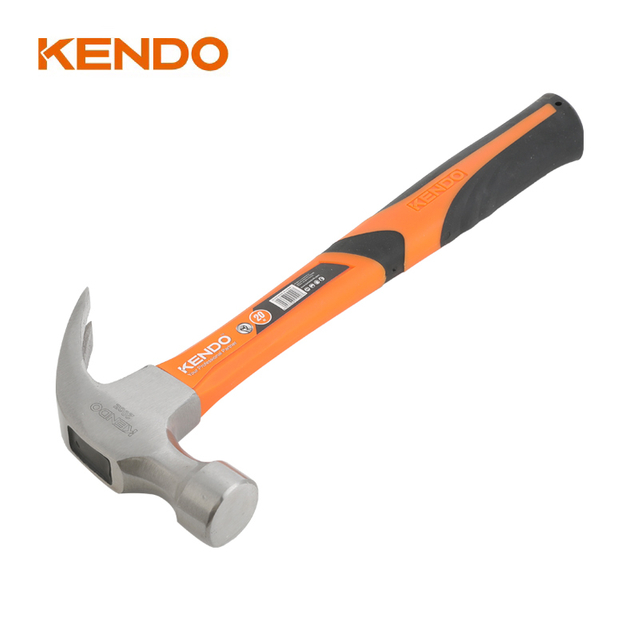
Modern fiberglass handles are highly durable and completely weather-resistant. Manufacturers create them by binding glass fibers with tough epoxy resins. They provide moderate shock absorption, sitting comfortably between wood and solid steel. Many modern tools utilize this material for its extremely low maintenance requirements. Changes in humidity do not shrink or swell fiberglass.
Risk Factor: Fiberglass can slowly degrade under prolonged UV exposure. Leaving the tool in the bed of a pickup truck for months weakens the resin. Once a fiberglass handle cracks or begins to fray, the entire tool is ruined. These handles are strictly non-replaceable.
Solid Steel Handles
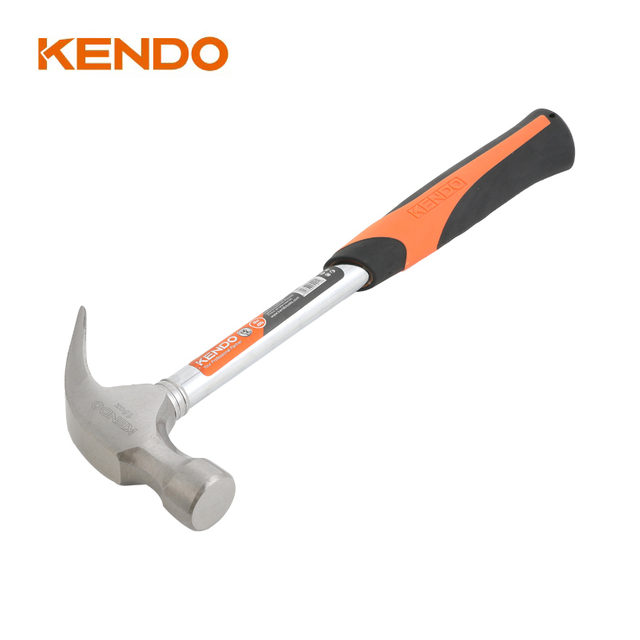
Manufacturers forge these tools in one continuous piece of steel from head to heel. They are virtually indestructible. Extreme demolition tasks and heavy industrial environments demand this uncompromising level of durability. You cannot snap a solid steel neck with a simple overstrike.
Risk Factor: Solid steel transfers the maximum amount of harsh vibration directly to the user's arm. The entire tool acts exactly like a rigid tuning fork upon impact. You must rely entirely on external synthetic grips to mitigate this aggressive resonance.
Continuous hours of swinging a poorly balanced tool exacts a heavy toll on the human body. Highly resonant tools lead directly to chronic elbow pain and long-term joint degradation. You must take ergonomics seriously to ensure a long, pain-free career or hobby.
Repetitive strain injuries sideline many experienced professionals every year. Your wrist and elbow absorb the invisible shock wave from every single hammer strike. Over time, this microscopic trauma causes severe inflammation in your tendons. This condition is commonly known as lateral epicondylitis, or "tennis elbow." Using a solid steel tool without adequate vibration control guarantees rapid joint fatigue. If you swing a hammer daily, your body absorbs thousands of heavy impacts every week.
You should actively evaluate tools that incorporate advanced anti-vibration technology. Manufacturers employ several clever strategies to protect your joints.
Specialized Rubber Grip Molds: Thick, air-cushioned synthetic grips trap vibration at the handle surface.
Shock-Absorbing Cores: Some modern handles feature hollow composite cores filled with vibration-dampening foam or specialized resins.
Tuning Fork Neck Designs: A few premium brands split the steel handle into two distinct prongs. This design actively disrupts the vibration wavelength before it travels into your palm.
These specific features interrupt the harsh vibration pathway. They dissipate kinetic energy effectively, allowing you to work longer hours with significantly less discomfort.
Assess the actual grip material carefully for reliable slip resistance. High-moisture environments, rain, or excessively sweaty hands make smooth grips incredibly dangerous. A heavily textured rubber grip prevents rapid grip-fatigue. You do not have to squeeze the handle aggressively to maintain control of the tool. A relaxed grip reduces tension in your forearm muscles. This practice maintains optimal job site safety and prevents the tool from becoming a dangerous projectile.
We can synthesize these variables into a highly actionable decision matrix. You do not need to guess. Identify your primary user profile below to find your ideal tool configuration.
The Homeowner / Occasional DIYer:
You should choose a 16-ounce curved claw with a fiberglass handle. This setup requires virtually no maintenance. You can store it in a damp garage without worrying about wood rot. The curved claw offers safe, easy nail pulling capabilities without damaging your interior walls. The moderate 16-ounce weight remains highly manageable for infrequent weekend projects. It offers the best overall versatility for hanging pictures or assembling flat-pack furniture.
The Finish Carpenter:
You should select a lighter 14 to 16-ounce curved claw with a traditional wood handle. Wood provides maximum tactile feedback and control for delicate strikes. The smooth curved claw will not mar delicate wood surfaces when you occasionally need to extract a bent brad nail. Many master craftsmen prefer the traditional, warm feel of hickory. They also appreciate the superior forward balance a lightweight wooden handle provides.
The Framer / Demolition Worker:
You must opt for a 20 to 22-ounce straight (rip) claw. Pair this heavy head with a solid steel handle or a specialized composite anti-vibe handle. You absolutely need maximum driving force for sinking large framing nails quickly. The rip claw gives you an indestructible prying tool for tearing apart stubborn framing lumber. The solid construction ensures the tool survives brutal daily abuse and aggressive overstrikes.
Selecting the right tool requires an honest assessment of your daily tasks and physical limitations. Do not overbuy a heavy framing hammer for light household tasks. You will only cause yourself unnecessary wrist pain. Conversely, do not rely on a delicate wooden handle for daily, heavy demolition work. The handle will inevitably fail. You must match the head weight to your required striking power. You must match the claw shape to your most common challenges. Finally, you must match the handle material to your personal tolerance for vibration.
Here are your immediate next steps. First, evaluate your most frequent projects over the past six months. Second, prioritize either safe nail-pulling leverage or aggressive prying power based on those projects. Third, determine how much maintenance you are willing to perform on the tool. If you still feel unsure, please contact us to discuss specific tool configurations. Taking the time to evaluate these specifications ensures you purchase a reliable companion for your future projects.
A: Smooth faces are exclusively for finish work and general household use. They strike the fastener without denting or marring the surrounding wood. Milled (waffle) faces feature a textured grid that grips the nail head firmly to prevent slipping. This aggressive texture is strictly for rough framing. It will leave severe structural marks on wood, so only use milled faces where surface damage does not matter.
A: For daily professionals, yes. Titanium transfers significantly less vibration than steel. It also allows a lightweight 14-ounce titanium hammer to drive nails with the kinetic force of a heavy 21-ounce steel hammer. This drastically reduces long-term elbow strain. However, for occasional users and homeowners, the premium price point rarely justifies the return on investment.
A: No. Only traditional wooden-handled hammers are specifically designed for routine handle replacement. You can drill out the old wood and wedge a new hickory stick into the steel eye. If a molded fiberglass or forged steel handle fails or cracks, the entire tool is compromised. You must replace the complete unit immediately for safety reasons.