- All
- Product Name
- Product Keyword
- Product Model
- Product Summary
- Product Description
- Multi Field Search

Views: 0 Author: Site Editor Publish Time: 2026-06-30 Origin: Site


Selecting between a claw hammer and a ball pein hammer isn't just about utility. It is a matter of metallurgy, workplace safety, and tool longevity. Many people grab whatever tool sits closest when a quick task arises. However, striking metal using a woodworking hammer remains a leading cause of tool failure. It triggers dangerous steel spalling. This chipping sends sharp metal shards flying into the workspace. We want to prevent these dangerous accidents completely. This guide provides an evidence-based breakdown of their structural differences. We examine specific heat-treatment profiles and diverse application scenarios. You will learn exactly how to evaluate which tool matches your operational needs. Understanding these nuances protects your equipment inventory. It also ensures your operators remain safe during heavy-duty applications.
Metallurgical differences dictate use: A claw hammer is tempered for driving soft steel nails into wood, whereas a ball pein hammer features a harder face designed to strike hardened chisels and punches.
Safety comes first: Using a claw hammer on automotive parts or steel punches risks catastrophic face chipping and shrapnel.
Design determines leverage: The claw is engineered for extraction leverage; the ball pein is engineered for shaping metal and setting rivets.
Handle material matters: Procurement decisions should factor in handle vibration dampening (fiberglass/wood) vs. absolute durability (solid steel) based on daily usage volume.
Tools fail when we ignore basic striking mechanics. Cross-application poses a severe risk in any shop. If you strike hardened steel using a softer face, mechanical failure occurs rapidly. We call this phenomenon spalling. Steel spalling happens when mismatched hardness levels collide under high kinetic energy.
You must understand the exact sequence of this mechanical failure:
The operator swings a soft-faced tool at a hardened metal object.
The kinetic energy concentrates on a tiny contact point.
The softer face deforms unable to absorb the immense pressure.
Micro-fractures propagate through the tool's striking face.
Sharp steel shrapnel launches outward at high velocities.
This shrapnel poses serious eye and skin hazards. Manufacturers differentially heat-treat hammer heads to prevent these exact disasters. They measure steel hardness using the Rockwell Hardness (HRC) scale. A standard woodworking tool features a softer striking face compared to its core. This lower HRC rating serves a specific purpose. The softer face grips soft steel nails tightly. It prevents slipping during a heavy swing. Conversely, metalworking hammers require exceptionally high HRC ratings on the face. They must withstand repeated impacts against cold chisels.
General OSHA and ANSI guidelines mandate using the correct striking tool. Compliance standards dictate removing chipped or mushroomed heads from service immediately. Using woodworking tools for metalwork violates these basic safety protocols. Facility managers must enforce strict tool segregation. You should always verify your tool's intended use case before starting any heavy job.
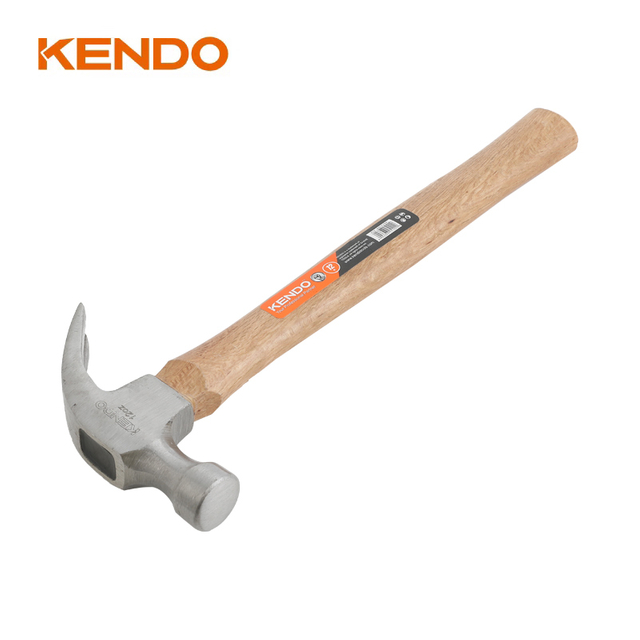
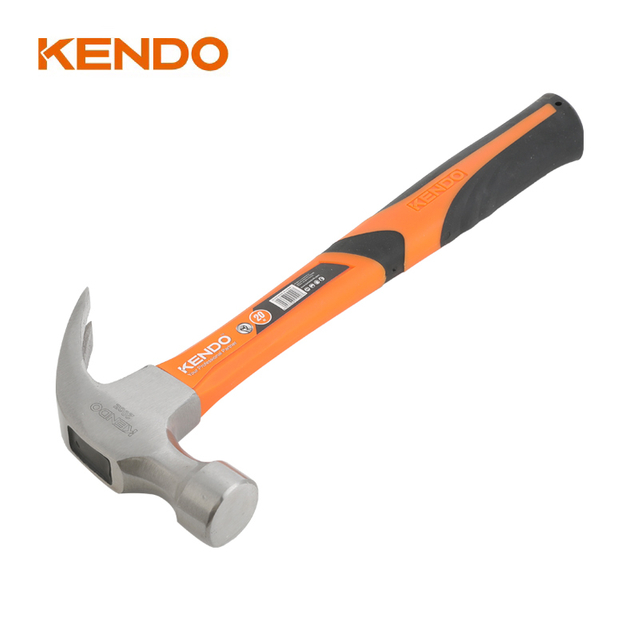
Let us explore the anatomy of woodworking's most iconic tool. Its design intent focuses strictly on driving fasteners and material extraction. The striking face, often called the bell, is flat or slightly convex. This specific shape drives nails flush without marring the surrounding wood surface. The convex profile prevents unsightly half-moon dents on delicate drywall or trim.
The opposite end features a highly optimized V-cleft design. We see two primary variations here. Curved claws optimize your pulling leverage. They roll naturally along the wood surface to extract stubborn nails. Straight claws, often called rip claws, excel at heavy demolition. You can wedge a rip claw between two boards to pry them apart easily.
Primary applications encompass several trades. Carpentry, framing, general woodworking, and drywall installation rely on this tool. Construction crews swing them daily to frame houses and build furniture. They are indispensable for wood-based projects.
However, we must respect its key limitations. The softer steel face remains highly vulnerable. It will dent or chip if you strike hardened masonry nails. You should never use it on cold chisels or solid engine blocks. It is simply not designed for heavy metal shaping. Ignoring these limits destroys the tool quickly. You also risk severe personal injury if the face shatters. If your facility requires a reliable tool for these specific wood applications, choosing a high-quality claw hammer improves overall safety.
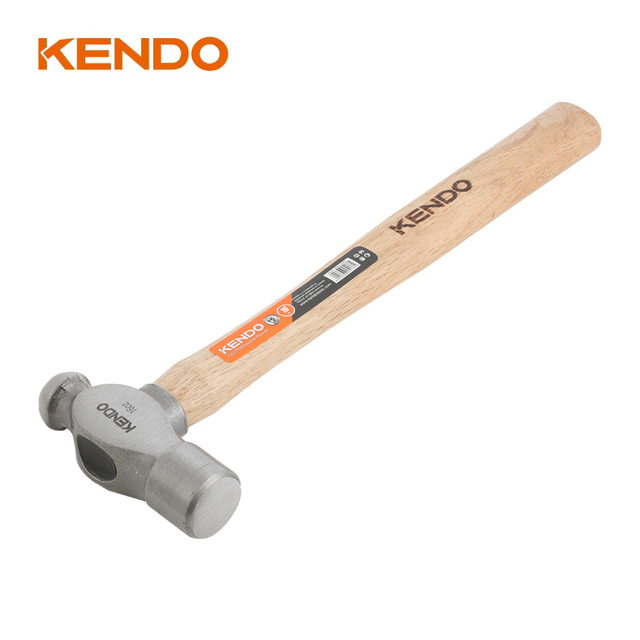
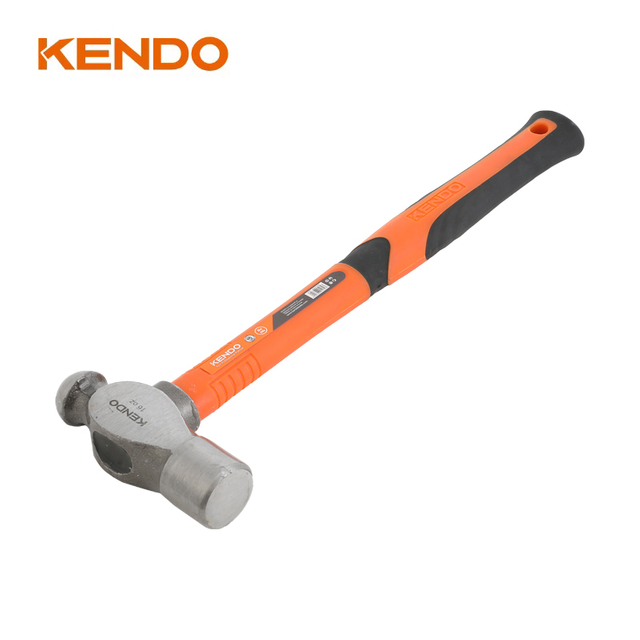
Metalworking demands a fundamentally different mechanical approach. We need tools engineered specifically for high impact against hardened surfaces. The ball pein hammer features a specially hardened flat face. It effortlessly drives steel punches and cold chisels. The tool absorbs the shock without deforming.
The opposite side features a distinct hemispherical peen. We use this rounded end for a process called peening. Peening involves expanding, shaping, or texturing metal surfaces. Blacksmiths use it to draw out hot steel. It also works perfectly for setting rivets securely. The rounded profile spreads the rivet head evenly without damaging the surrounding material.
Primary applications encompass heavily industrial environments. Automotive repair, machine shops, metal fabrication, and blacksmithing depend on this design. Mechanics use them to shape sheet metal panels. Machinists rely on them to strike center punches accurately before drilling.
What are its key limitations? It completely lacks any extraction capabilities. You cannot pull a bent nail. It is highly unnecessary for basic carpentry tasks. In fact, it is overly destructive for delicate wood. The highly hardened face easily slips off soft nail heads. This slipping damages the wood and bends the fastener irreparably. You lose control during repetitive wood fastening tasks.
We must evaluate both tools across several technical dimensions. This helps us understand how features translate into real-world outcomes. Hardness, handle materials, and weight distribution all play critical roles.
Hardness directly dictates durability. The woodworking model has a lower HRC on the face. It grips nails better and prevents slipping. However, it chips easily on hard steel. The metalworking model features a higher HRC on both the face and the peen. It transfers maximum force to punches. It does this without deforming the tool itself.
Handle materials affect daily scalability and ergonomics. You must choose based on your operational volume.
Hickory Wood: Provides the best natural vibration dampening. Wood feels traditional and is easily replaceable. It reduces elbow strain during framing.
Fiberglass: Offers high durability and weather resistance. It absorbs shock quite well. It will not shrink or expand in humid environments.
Solid Steel: Delivers maximum overstrike protection. However, steel transfers high vibration directly to the user. Operators require high-quality rubber grips to prevent severe fatigue.
Weight distribution alters your swing mechanics entirely. Woodworking models balance weight toward the face. This creates a natural, fluid swing arc for repetitive driving. Metalworking models concentrate weight tightly in the head. This delivers a dead-blow style impact necessary for aggressive metal deformation.
Feature Dimension | Woodworking Model | Metalworking Model |
|---|---|---|
Primary Target Material | Wood, Drywall, Soft Steel Nails | Sheet Metal, Hardened Punches, Rivets |
Face Hardness (HRC) | Lower (Softer, better grip) | Higher (Harder, prevents deformation) |
Secondary Function | Extraction and Prying (V-cleft) | Shaping and Texturing (Peen) |
Weight Distribution | Balanced toward the striking face | Concentrated directly in the head |
Spalling Risk | High (If used on hardened steel) | Low (Designed for metal-on-metal impact) |
Choosing the right tool requires analyzing your specific daily tasks. We built a straightforward framework to guide your procurement selection. Evaluating your primary materials saves time and prevents accidents.
For Carpentry, Framing, and General Facility Maintenance:
Your clear verdict is the woodworking model. These tasks require constant fastener driving and extraction. We recommend a 16 oz to 20 oz weight class. Use a curved model for delicate finishing tasks. Grab a heavier 22 oz straight rip model for aggressive demolition. This ensures your crew maintains maximum efficiency without risking structural damage to the tool.
For Machinists, Mechanics, and Metal Fabrication:
Your absolute verdict is the metalworking model. These environments demand impact resistance. We recommend a 16 oz to 24 oz weight for general punch and chisel work. Heavier weights exceeding 32 oz work best for heavy metal shaping or blacksmithing. This selection ensures safe, effective metal deformation.
For the Comprehensive Shop or DIYer:
Both are strictly necessary. You should avoid all "all-in-one" marketing claims. A single tool cannot handle soft wood and hard steel safely. A 16 oz woodworking model and a 24 oz metalworking model cover 95% of standard manual striking needs safely. If you are outfitting a large team and need guidance on bulk procurement, please contact us today for expert assistance.
The debate between these two tools is not about which is universally better. It is entirely about matching the correct metallurgical profile to your target material. Striking hardened steel using a softer face remains a severe safety hazard. It risks catastrophic chipping and serious injury to your team. We strongly recommend auditing your current toolsets today. Inspect every striking face for signs of dangerous spalling. Ensure your operators have immediate access to the correct striking tools for their specific tasks. Proper selection guarantees workplace safety, improves daily efficiency, and extends the lifespan of your entire inventory.
A: No. A woodworking tool has a softer face designed for driving unhardened nails. Striking a hardened cold chisel causes the face to shatter. This spalling sends dangerous steel shrapnel flying into the air. It risks severe eye and skin injuries. Always use a metalworking model for chisels.
A: The name refers to the specific term "peening." Peening is the process of working metal to improve its material properties or alter its shape. The tool features a ball-shaped hemisphere on one end. We use this rounded side to achieve precise texturing and secure rivets.
A: For most general-purpose tasks, 16 ounces remains the industry standard. This weight offers an ideal balance of driving power and user control. It allows operators to perform repetitive tasks effectively. You avoid the excessive elbow fatigue caused by swinging heavier framing models all day.
A: Yes, they do. Manufacturers produce cross-peen and straight-peen variants. Blacksmiths frequently use these specialized shapes. They help draw out metal in specific directions. Automotive bodywork professionals also rely on them to shape and smooth metal panels precisely.