- All
- Product Name
- Product Keyword
- Product Model
- Product Summary
- Product Description
- Multi Field Search

Views: 0 Author: Site Editor Publish Time: 2026-06-23 Origin: Site


A claw hammer is arguably the most ubiquitous hand tool. This familiarity often leads many users to push it far past its safe operational lifespan. We trust these tools unconditionally. We assume they will last forever without proper inspection. While standard designs have remained unchanged for centuries, materials degrade under repetitive kinetic stress. Continuing to use a compromised tool introduces unnecessary safety risks. You might face dangerous metal shrapnel. Sudden head detachment is another severe hazard. Neglecting maintenance also significantly reduces your daily strike efficiency. Evaluating the structural integrity of your current tool is the crucial first step. You must decide whether a simple maintenance routine will suffice. Often, investing in a modern, upgraded replacement is the only logical move. Read on to discover the definitive signs of tool fatigue. You will learn exactly how to navigate your next steps confidently.
A loose head or structurally compromised handle represents an immediate safety hazard that warrants immediate replacement over makeshift repairs.
Chipping or "mushrooming" on the striking face indicates a failure in the steel's tempering, which cannot be safely reversed.
Upgrading to modern materials (e.g., single-piece forged steel or vibration-dampening fiberglass) can resolve chronic ergonomic issues caused by older, worn tools.
When evaluating a replacement, the decision should balance handle material, head weight, and specific use-case requirements (framing vs. general carpentry).
People often view a failing tool as a mere annoyance. You must reframe this mindset immediately. Using a worn-out hammer represents a compounding risk. The hidden costs impact both your safety and your daily productivity. These factors add up faster than you realize on a busy job site.
Consider the physics of kinetic energy transfer. A damaged handle or a worn grip forces you to grip tighter. You also have to strike much harder to achieve the exact same result. This constant overcompensation leads to rapid wrist and forearm fatigue. It diminishes your control over every single swing. Your muscles absorb the damaging shock instead of the tool itself. Over time, this biomechanical stress travels straight up into your carpal tunnel.
Safety liability remains another major concern. Structural failure brings harsh realities to a home workspace or professional site. Flying steel chips can cause severe, permanent eye injuries. A detached hammer head becomes a dangerous, high-velocity projectile. You cannot afford to risk your physical well-being over an outdated piece of equipment.
Finally, you must evaluate workflow inefficiency. Bent claws or a misaligned striking face cause immediate, frustrating problems. You will bend perfectly good fasteners constantly. You will damage expensive trim and building materials. These minor delays add up quickly throughout the day. Wasted time directly reduces your project output and frustrates your crew.
Let us evaluate the connection point closely. Epoxy degrades over time in modern fiberglass models. Wood shrinkage and wedge failure happen frequently in traditional hickory handles. Constant temperature fluctuations accelerate this separation. The head begins to wobble slightly during active use. You might even hear a faint clicking sound upon impact.
If resetting the wedge fails to provide a permanent fix, the structural integrity is fully compromised. You cannot rely on temporary shims or wood glue. The verdict here is absolute. You need a replacement to prevent the heavy steel head from flying off mid-swing. A loose head never fixes itself organically.
You must differentiate between superficial cosmetic scratches and deep structural cracks. Cosmetic wear happens quickly but poses no physical threat. Structural cracks run completely parallel to the grain in wooden handles. Look closely for grain runout. High-quality hickory handles have straight grain parallel to the handle length. If the grain runs out sideways, it will snap eventually. Fiberglass handles suffer from a different issue called delamination. The synthetic composite layers begin to peel apart visibly.
Handle failure under high-leverage prying can cause severe injury. The shaft snaps suddenly when you apply maximum downward force. Your hand may slam violently into the rough work surface. The verdict demands immediate disposal of the tool. Broken handles offer no second chances.
Metallurgical realities dictate the absolute lifespan of your tools. Manufacturers carefully harden and temper the steel face to reach a specific Rockwell hardness. When this face begins to chip or flatten, serious trouble begins. Mechanics commonly call this flattening "mushrooming". This deformation exposes the softer, untreated core steel underneath. The tool loses its structural integrity.
Striking hard fasteners using a compromised face creates high-velocity shrapnel. Small, razor-sharp metal fragments break off upon impact. This constitutes a non-repairable metallurgical failure. The verdict requires you to retire the tool immediately. You cannot reverse bad temper in damaged steel.
Claws rely on specific, engineered geometry to grip nail heads securely. Bending indicates the steel was pushed far beyond its tensile limit. Heavy prying tasks often cause this permanent distortion. Extracting thick galvanized nails takes a toll. The V-notch becomes highly asymmetrical or completely dull. It loses its biting edge entirely.
Loss of leverage significantly lowers the tool's everyday utility. The claws slip dangerously during routine nail extraction. You risk punching yourself or gouging the finished material. The verdict points straight to replacement. A slipping claw renders the extraction function entirely useless.
Assess your rubberized or leather grips regularly. Over time, these materials dry-rot, tear, or lose their critical shock-absorbing properties. Prolonged UV exposure and acidic hand sweat accelerate this degradation. Leaving tools inside a hot truck bakes the rubber. The handle becomes slick, sticky, and highly uncomfortable.
Increased vibration transfer directly correlates with repetitive strain injuries. Bare composite shafts transmit shock directly into your bones and tendons. The verdict is straightforward and medically sound. A ruined grip necessitates a tool upgrade to protect your joints long-term.
You need a clear, skeptical-friendly lens for deciding when to salvage a tool. Nostalgia often clouds our practical judgment. We cling to old tools out of deep-seated habit. You must weigh safety against pure sentimentality.
When to Repair (The DIY Route):
A high-quality, forged steel head often deserves a second life. If the eye remains completely undamaged, you can re-handle it safely. Replacing a hickory shaft remains a traditional DIY project. It requires basic woodworking skills and immense patience. You must source the correct wooden wedges and steel cross-wedges to ensure a tight fit.
The Cost-Benefit Reality:
Factor in the actual cost of a replacement handle, epoxy, and steel wedges. Compare this total to purchasing a brand new, engineered tool. You must also calculate the time required for a proper, safe repair. Sometimes, the math simply does not favor repairing a basic implement. Consider these specific elements carefully:
The retail cost of new handle materials and wedge hardware.
The manual time required to properly fit, shape, and sand the new shaft.
The necessary curing time for liquid epoxy or wood swelling.
A direct comparison against the price of modern, technologically advanced options.
When to Replace (The Safety Route):
Any visible damage to the steel head mandates an immediate replacement. Look closely for hairline cracks in the cheek. Inspect for a chipped face or heavily bent claws. Steel fatigue cannot be safely repaired in a home workshop. Welding or grinding ruins the crucial factory heat treatment. Always choose the safety route when the core steel fails. Please contact us if you need help finding a certified, safe replacement tool.
Guide yourself through modern replacement options based on your primary daily use case. The modern tool market offers highly specialized options. You must match the specific tool to your exact daily tasks.
Material Selection & Scalability:
Handle material dictates both comfort and maximum durability. Each option serves entirely different user needs. Review the comparison chart below to find your ideal match.
Handle Material | Primary Advantages | Notable Drawbacks | Best Intended Use |
|---|---|---|---|
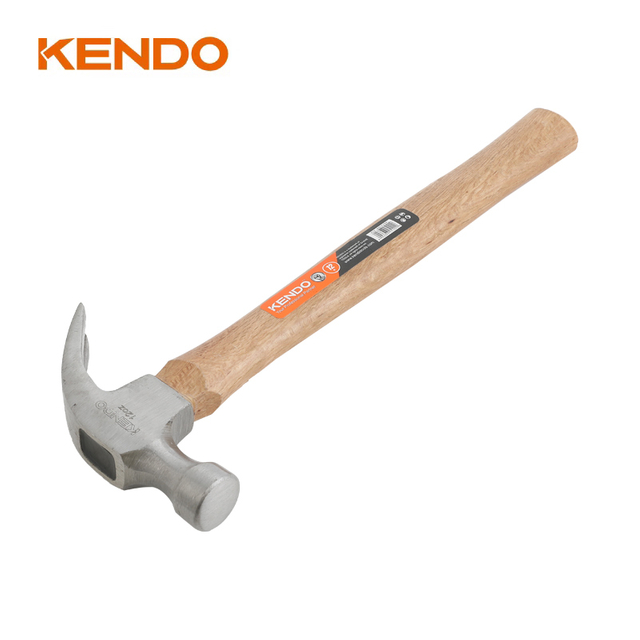
Wood (Hickory) | Excellent natural vibration dampening, superb traditional feel. | Requires periodic maintenance, can break under heavy prying. | General carpentry, delicate finishing work. |
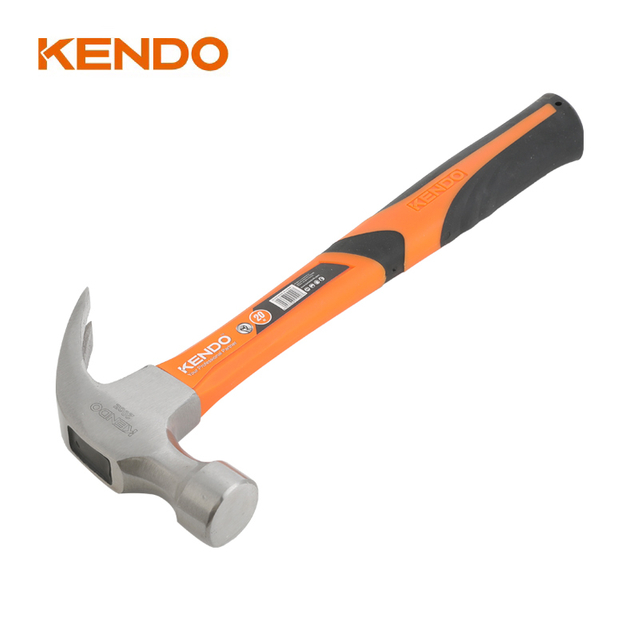
Fiberglass Composite | High durability, completely weather-resistant, moderate vibration reduction. | Internal epoxy can degrade, slightly heavier than wood options. | All-purpose home use, light to medium construction. |
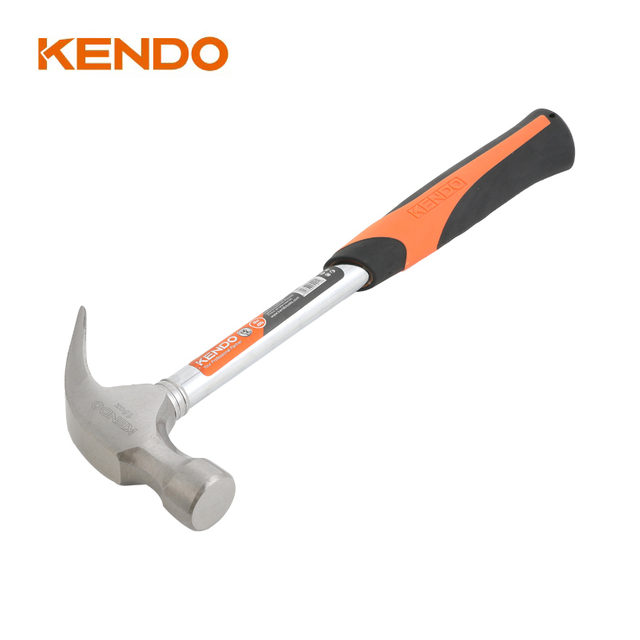
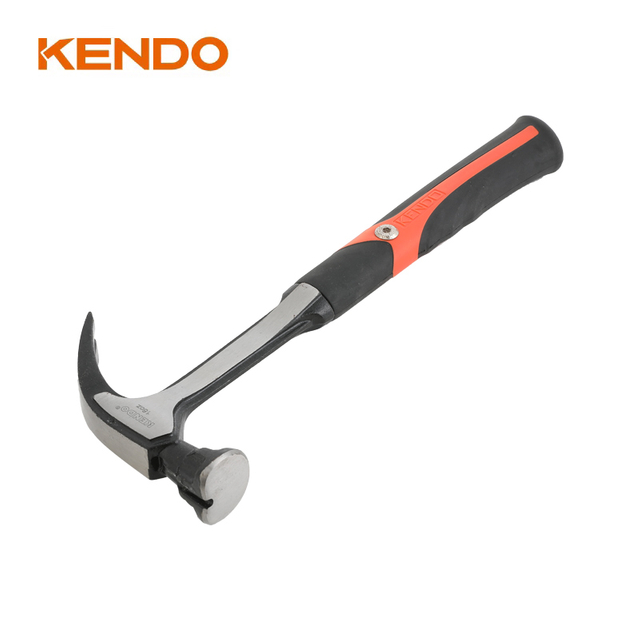
Forged One-Piece Steel | Maximum possible durability, exceptionally high leverage limit. | Transmits the most shock, requires advanced rubber grips. | Heavy demolition, rough framing, commercial jobs. |
Weight to Outcome Ratios:
Match the tool weight to the intended task carefully. Heavier does not always mean better. Velocity often matters more.
16oz Hammers: These are ideal for general finish and trim work. They greatly reduce arm fatigue during sustained, precise use.
20-22oz Hammers: Manufacturers build these specifically for framing and heavy demolition. The extra head mass drives large fasteners efficiently into dense lumber.
Titanium Alternatives: These premium tools deliver the driving force of heavier steel. They achieve this at roughly half the physical weight, saving your elbow from unnecessary wear.
Feature Verification:
Look for specific quality indicators before making a final purchase. You want drop-forged steel rather than cheaper cast metal. Drop-forging aligns the internal grain structure for superior overall strength. Magnetic nail starters provide excellent utility for one-handed framing tasks. Anti-vibration core technologies protect your elbow during heavy, repetitive use. Check the grip texture thoroughly for premium slip resistance.
Reiterate your priorities when working. A reliable tool is a direct investment in safety and efficiency. Pushing a damaged tool past its limits yields severe diminishing returns. The physical risks heavily outweigh any minor, short-term convenience.
Take these proactive next steps today:
Inspect your current hammer's head and handle for any micro-cracks or loose fittings.
Evaluate the striking face for dangerous chipping or unwanted mushrooming.
Shortlist a suitable replacement matching your specific functional needs and ergonomic requirements.
Prioritize single-piece forged steel or high-quality fiberglass for maximum longevity.
Make the necessary switch before a catastrophic failure forces your hand. Protect your workspace and your body.
A: The lifespan depends entirely on the frequency of use and the handle material. Premium steel heads can last for decades if properly maintained. Handles, however, are consumable items. A heavy-duty professional might break a wood handle in a year, while a casual DIYer's tool can easily last a lifetime.
A: No. Grinding generates excessive heat. This heat ruins the steel's factory temper. It makes the metal brittle and highly prone to shattering. Striking a nail using a compromised temper creates dangerous shrapnel. You should never attempt to reshape a damaged striking face.
A: Not always. Physics dictates velocity often matters more than sheer mass. A lighter hammer swung faster can drive nails efficiently. It also causes significantly less arm fatigue. Choose a weight you can comfortably swing at high speeds all day without straining your shoulder.
A: Choose a smooth face for finish carpentry. It prevents marring the wood surface if you miss the nail. Choose a milled face for rough framing. The textured waffle pattern bites directly into the nail head, preventing the tool from slipping during heavy, forceful strikes.