- All
- Product Name
- Product Keyword
- Product Model
- Product Summary
- Product Description
- Multi Field Search

Views: 0 Author: Site Editor Publish Time: 2026-06-02 Origin: Site


You grab a tool from the bench and strike a surface. The result can be a perfectly driven fastener or a permanently damaged workpiece. Using an incorrect hammer severely compromises material integrity. It decreases your strike efficiency on the job site. Poor tool selection also accelerates user fatigue and increases joint pain over time. We designed this guide to move beyond basic definitions. It provides a structural evaluation of different striking tools based on task requirements, material engineering, and user ergonomics. You will learn exactly how to match head weight, face texture, and handle material to specific trade or project outcomes. We will help you select the precise instrument required to maximize performance and protect your physical health during rigorous, high-repetition applications.
Application Dictates Shape: Claw and framing hammers are engineered for carpentry, while ball peen and dead blow models are strictly for metalworking and non-marring assembly.
Handle Material Impacts Fatigue: Wood absorbs vibration well but breaks; solid steel maximizes durability at the cost of shock transfer; fiberglass offers a balanced, maintenance-free middle ground.
Head Weight Determines Control: A heavier head (20+ oz) drives fasteners faster but requires greater user strength, while lighter heads (16 oz) prioritize precision and stamina.
Safety is Material-Dependent: Striking hardened steel with a standard steel hammer risks catastrophic fragmentation; specialized brass or dead blow hammers are required for these applications.
Tool misapplication introduces severe risks to both the project and the user. Many people grab the closest striking tool available. They ignore the specific engineering behind each design. This habit leads to costly mistakes across three primary areas.
You face significant financial risks when you mar finished surfaces. Cabinetry, trim work, and automotive body panels require careful force application. If you strike soft maple or pine with a hardened steel face, you leave permanent dents. These dents require extensive sanding or complete material replacement. Using a rubber mallet or a soft-faced tool prevents this surface damage entirely. You distribute the kinetic energy over a wider area safely. Applying the correct tool protects the workpiece and eliminates costly rework.
Improper weight distribution destroys your stamina. Heavy repetition tasks amplify the effects of poorly balanced tools. When you swing an unbalanced head, your wrist compensates for the awkward trajectory. This continuous overcorrection strains your tendons. Furthermore, a lack of vibration dampening directly causes repetitive strain injuries (RSI). Tools lacking shock-absorbing handles transfer every impact directly up your forearm. Over months of daily use, this shock transfer leads to chronic elbow and shoulder pain. You must prioritize ergonomic handle designs to sustain your career health.
Your purchasing decisions dictate your long-term value. Selecting a cheap, cast steel head might save money today. However, cast steel remains highly brittle. It often chips or cracks under heavy impact. In contrast, drop-forged steel provides professional-grade durability. The forging process aligns the metal grain structure. This alignment maximizes structural integrity. Drop-forged tools easily survive decades of daily abuse. When you evaluate tool lifespan, professional-grade materials always outperform cheaper alternatives.
Manufacturers engineer striking tools to solve specific trade problems. Understanding these core categories helps you build a highly effective toolkit. We categorize these tools based on their primary industrial applications.
Woodworking requires tools designed for precision fastening and leverage. Carpentry tools feature specialized claws for extracting fasteners.
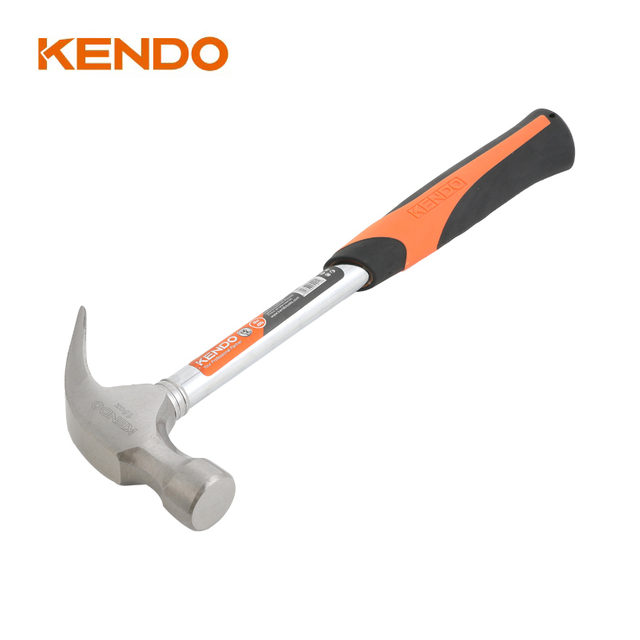
Claw Hammer: This remains the standard 16-oz solution for general-purpose fastening. It excels in light demolition and household tasks. It features a curved claw. The curve provides excellent leverage when pulling nails from lumber. You rely on this tool for finish carpentry and basic repairs.
Framing Hammer: We consider this the heavy-duty upgrade. It typically weighs between 20 and 28 ounces. It features a longer handle. The extra length generates massive kinetic energy during the swing. It also utilizes a straighter claw. The straight claw slides easily between framing boards for aggressive prying. You need this tool for rapid framing and structural assembly.
Many users attempt heavy demolition with a standard 16-oz curved claw. They quickly snap the handle. You should always switch to a framing model or a dedicated pry bar for structural teardowns.
Metalwork requires tools that shape steel without creating dangerous shrapnel. You must never use carpentry tools for these applications.
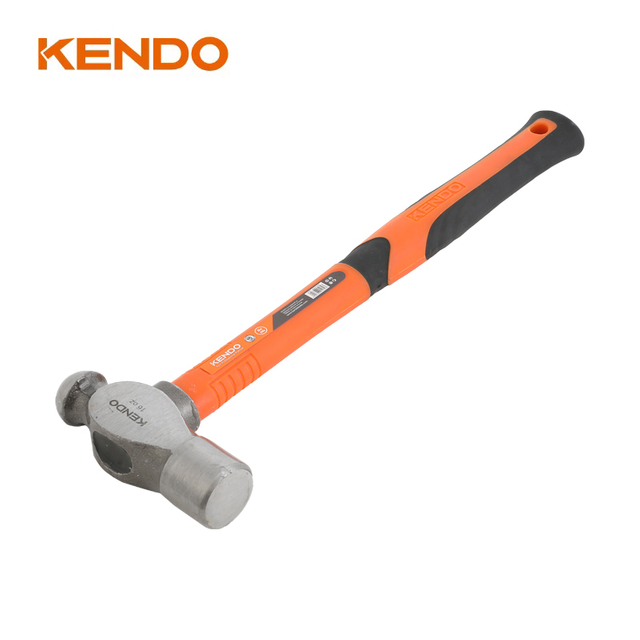
Ball Peen Hammer: This tool features a rounded head on one side. You use the rounded side to expand and shape metal. Mechanics also use it to drive cold chisels and set rivets. The steel used in ball peen heads is specially hardened. However, you must never use it for driving wood nails. The face geometry increases the risk of glancing blows.
Dead Blow Hammer: This tool contains a hollow head. Manufacturers fill this cavity with steel shot or loose sand. When you strike a surface, the internal material shifts forward milliseconds after the initial impact. This action completely eliminates rebound. It maximizes force transfer without damaging the struck surface. You need this tool to dislodge stuck brake rotors or assemble tight mechanical joints.
Concrete and stone require massive kinetic energy. These tasks demand tools built for absolute destruction or precise scoring.
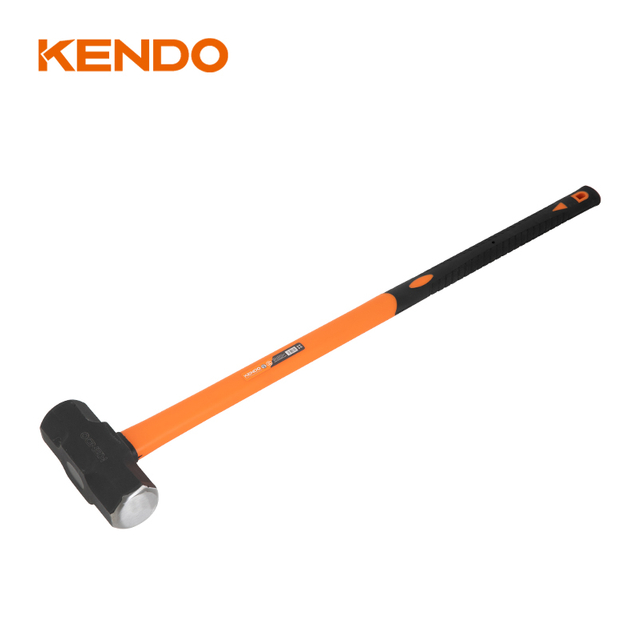
Sledgehammer: This tool requires two-handed operation. It features a massive steel head mounted on a long shaft. You use it for breaking concrete, driving ground stakes, or executing structural demolition. Operating a sledgehammer requires strict swing control. Poor form quickly causes severe back injuries.
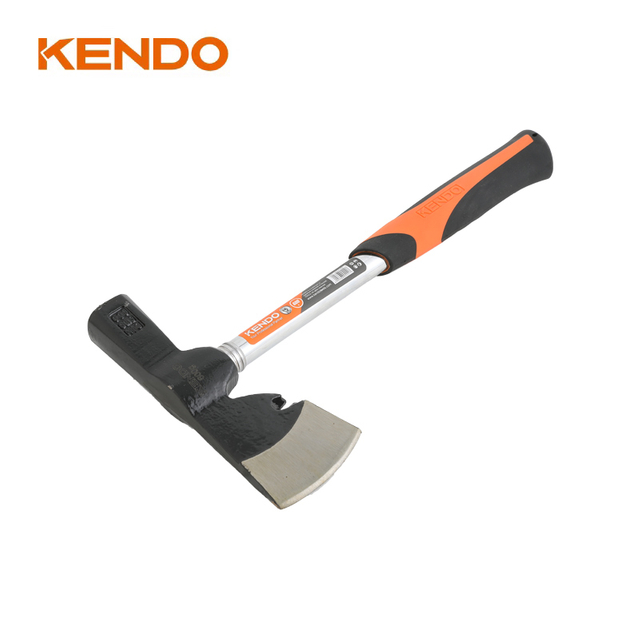
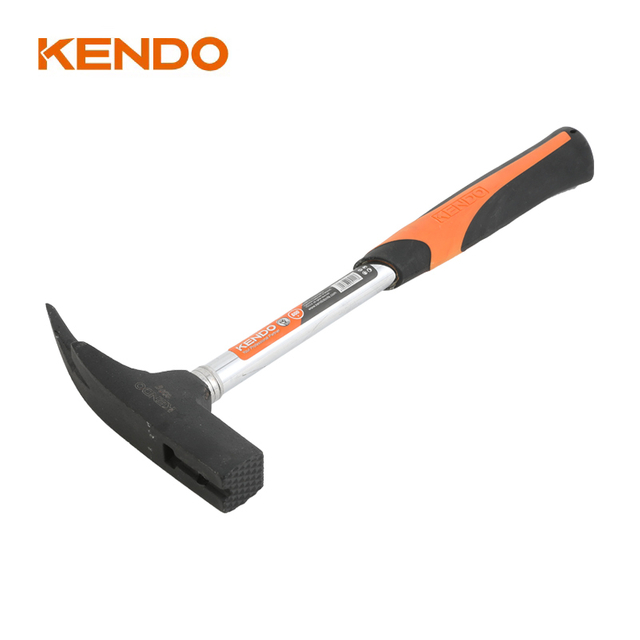
Brick/Mason's Hammer: Masons rely on this specialized tool daily. It features a flat striking face on one end. The opposite end features a chisel-like blade. You use the flat face to strike chisels. You use the blade to score and snap bricks or cinder blocks cleanly. It allows for rapid, on-the-fly masonry adjustments.
Some applications prioritize surface protection over sheer force. Non-marring tools deliver impact safely.
Rubber Mallet: This tool features a large, soft head. It distributes force over a wider area. You use it to prevent denting softer materials. It easily sets tight wood joints. It shapes sheet metal without creasing. Installers also use it extensively when laying delicate tile or laminate flooring.
Brass Hammer: Automotive and industrial environments often present severe fire hazards. Striking steel against steel generates high-heat sparks. A brass head prevents this entirely. Brass is a non-sparking, softer metal. It safely applies force in flammable environments. Mechanics also use it to strike hardened steel punches without damaging the punch ends.
Hammer Type | Typical Weight | Primary Application | Material Interaction |
|---|---|---|---|
Curved Claw | 16 oz | General Carpentry | Drives/pulls wood nails |
Framing | 20 - 28 oz | Structural Assembly | Rapid heavy fastening |
Ball Peen | 12 - 32 oz | Metalworking | Shapes and expands metal |
Dead Blow | 1 - 4 lbs | Automotive/Assembly | Non-marring, zero rebound |
Sledgehammer | 8 - 16 lbs | Demolition | Crushes concrete/stone |
You cannot judge a tool by its outward appearance alone. True performance stems from internal material engineering. You must evaluate three crucial dimensions before making a purchase.
Selecting drop-forged steel is non-negotiable for professional environments. During the forging process, manufacturers heat and pound the steel into shape. This pounding aligns the microscopic grain structure of the metal. It creates unparalleled structural integrity. In contrast, cast steel involves pouring liquid metal into a mold. As it cools, the grain structure remains random. Cast tools remain brittle. They often shatter under high stress. Always verify your tool utilizes drop-forged construction.
The texture of the striking face dictates its interaction with fasteners and surfaces.
Milled (Waffle) Face: This face features a grid pattern. The textured grid grips the nail head firmly upon impact. It aggressively prevents glancing blows. Framers rely on milled faces to drive nails rapidly without slipping. However, a milled face leaves deep, ugly waffle marks on wood surfaces if you miss the nail.
Smooth Face: This face features a polished, flat surface. It prevents surface marring upon impact. Finish carpenters strictly use smooth faces to protect expensive trim work. Using a smooth face requires higher accuracy from the user. It slips off the fastener easily if your swing lacks precision.
Your handle material directly determines shock absorption and overall durability. You must balance comfort against breaking strength.
Wood (Hickory): Traditional hickory provides superior natural shock absorption. It flexes slightly upon impact. This flex protects your elbow from sharp vibrations. Wood handles are also easily replaceable. However, wood remains highly vulnerable to weather changes and careless overstrikes.
Fiberglass: This material offers a balanced middle ground. Manufacturers bind glass fibers in heavy-duty epoxy. Fiberglass provides high durability and absolute weather resistance. It delivers moderate shock absorption. It serves as the undisputed standard for commercial tool fleets.
Solid Steel: Tools forged from a single piece of steel feature an unbreakable shaft. You will never snap the neck. Unfortunately, solid steel delivers the highest shock transfer to the user. Every vibration travels straight into your joints. You must ensure solid steel tools feature an advanced rubber grip to mitigate this severe drawback.
Possessing the correct tool only solves half the equation. You must deploy it safely and maintain it properly. Ignorance of basic physical limitations often results in catastrophic injuries or ruined equipment.
An overstrike occurs when you miss the target and strike the object with the handle instead of the metal head. This impact violently stresses the neck of the tool. Frequent overstrikes easily shatter wooden handles. They even compromise fiberglass shafts over time. Handle collars or heavy rubber overstrike guards are critical. They protect the fragile neck area of high-impact tools like sledgehammers and framing models. Always inspect the neck area before swinging.
You must adhere to OSHA-aligned safety rules regarding metal strikes. The most critical rule involves avoiding steel-on-steel strikes. For example, you must never strike a hardened steel head against a steel pry bar or another steel face. This action causes lethal metal spalling. Microscopic metal chips break off at bullet-like speeds. This shrapnel easily causes permanent blindness or deep lacerations. You must use specialized tools like brass mallets when striking hardened steel objects.
Proper maintenance greatly extends your equipment lifespan. You must protect wooden handles from dry rot. Rubbing them with boiled linseed oil annually prevents the wood from drying and splitting. Furthermore, you must continuously inspect steel heads for mushrooming. Mushrooming occurs when the edges of the strike face flatten and spread outward. These flattened edges develop micro-fractures. They eventually break off during use. You should grind away mushroomed edges immediately to maintain safe geometry.
You can quickly narrow down the marketplace by matching tool specifications to your daily routine. We categorize the optimal choices based on user profiles.
You should default to a 16-oz fiberglass or wood-handled curved claw model. This specific configuration covers 90% of household fastening needs. It effortlessly handles picture-hanging, assembling flat-pack furniture, and minor repairs. The curved claw easily removes bent nails. A fiberglass handle ensures the tool survives years of neglect in a damp garage.
Your joints represent your livelihood. You must invest in premium ergonomics. Choose a titanium framing model or a high-end 22-oz steel version with a milled face. Titanium models hit with the force of heavy steel but weigh significantly less. This weight reduction protects your elbow. Ensure the tool features an anti-vibration grip. This setup maximizes your daily output while minimizing long-term physical damage.
A single tool cannot safely complete automotive tasks. You require a dedicated trio. You need a ball peen model for shaping metal and setting rivets. You need a dead blow model to deliver massive, non-marring force to stuck components. Finally, you need a brass model for spark-free striking and hitting hardened steel punches. If you need personalized recommendations for outfitting your shop, you can always contact us.
A striking tool is never a universal instrument. Manufacturers engineer distinct shapes, weights, and materials to solve specific industrial problems. Selecting the right variant actively reduces material waste. It accelerates your job completion rate and drastically protects your physical health. You must evaluate the head construction, the face texture, and the handle material before executing any task.
Your next step requires immediate action. Audit your current toolkit against your most frequent daily tasks. Identify the tools causing surface damage to your workpieces. Locate the heavy tools causing joint fatigue in your elbows. Upgrade those specific items immediately to purpose-built, drop-forged alternatives. Proper selection guarantees better craftsmanship and sustained safety.
A: A milled face features a textured, waffle-like grid. This texture grips nail heads to prevent slipping, making it ideal for rough framing. However, it leaves deep marks on wood. A smooth face is polished flat. It prevents surface damage, making it essential for finish carpentry, though it requires greater striking accuracy.
A: No. Claw models use steel hardened specifically for driving wood nails. Striking hardened automotive steel or metal chisels with them risks dangerous metal spalling. The face can chip, sending sharp shrapnel outward. Always use a ball peen, dead blow, or brass tool for metalworking tasks.
A: The hollow head contains loose sand or steel shot that shifts forward slightly after the initial impact. This delayed momentum completely counteracts the natural bounce of the strike. It eliminates rebound, allowing maximum kinetic energy transfer without damaging the target surface or jarring the user's arm.
A: Yes, especially for professional framers. Titanium transfers energy much more efficiently than steel. A 14-oz titanium head drives nails with the same power as a 24-oz steel head. This significant weight reduction drastically reduces elbow and shoulder fatigue over a long workday.
A: A 16-ounce head is the universal sweet spot for general use. It provides enough mass to drive household nails securely but remains light enough to swing comfortably without excessive fatigue. It perfectly balances power and precision for DIY repairs and light woodworking.